( Guide )
Placebo and blinding
Why some people receive a dummy treatment, and why nobody may know who did.
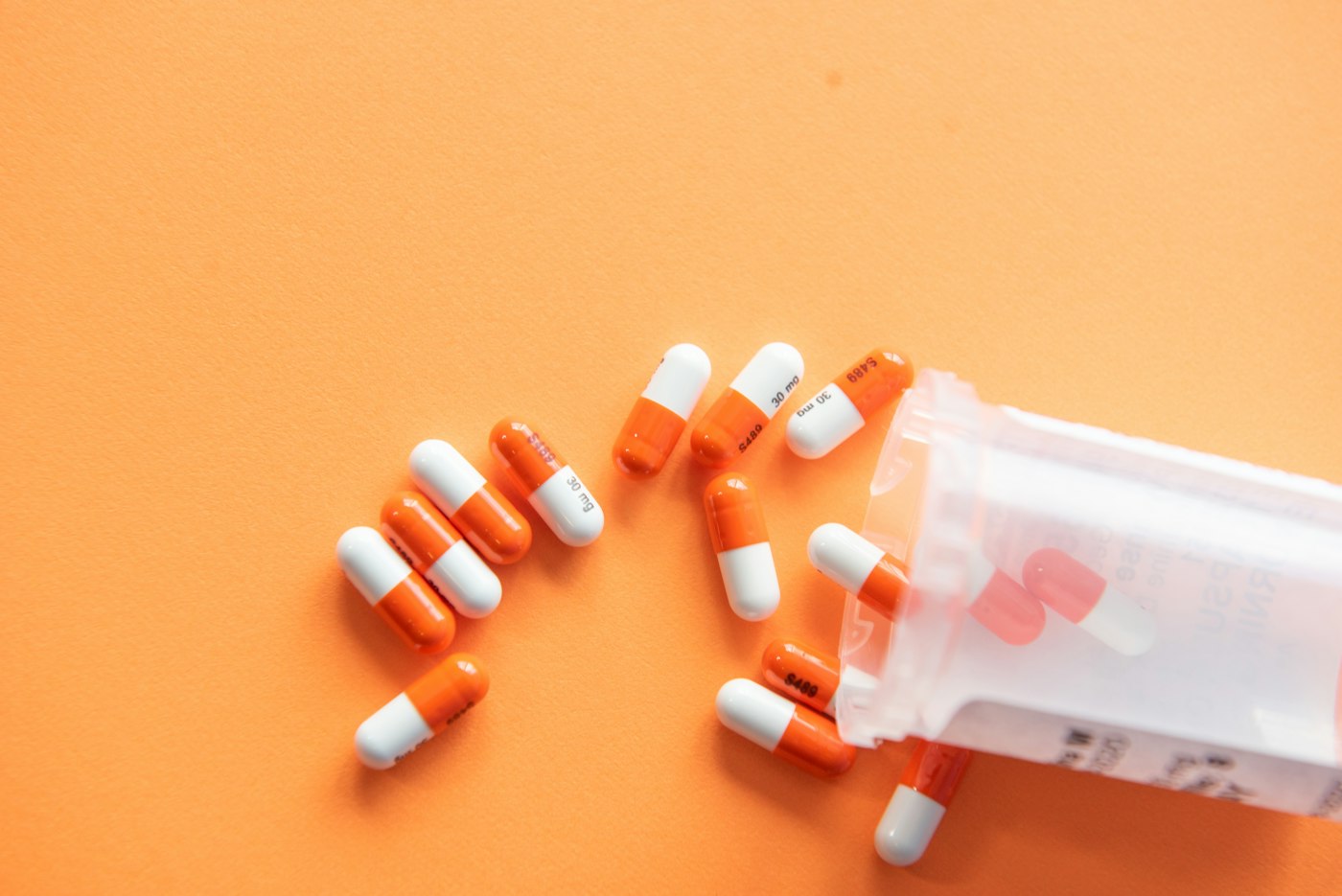
Two words appear on a great many consent forms. Knowing what they mean makes the rest of the form much easier to read.
What a placebo is
A placebo looks just like the treatment being tested, whether a tablet, an injection or a spray, but contains nothing active. Comparing people who receive the real treatment with people who receive the placebo shows how much of any change is down to the treatment itself, and how much would have happened anyway.
People often feel a little better on a placebo simply because they are being looked after and expect to improve. That effect is real, which is exactly why studies need a fair comparison.
When a placebo is not used
If a condition already has an effective treatment, it would be wrong to leave people without one. In those studies the new treatment is compared with the existing one instead, or added on top of it, so nobody goes untreated. An ethics board checks this before any study can begin.
What blinding means
In a blinded study you do not know which group you are in. In a double-blind study the research team does not know either. This keeps expectations, on both sides, from coloring the results. Group assignment is usually made by a computer, at random, which is called randomization.
- The consent form must say whether a placebo is used, and what your chances are of receiving it
- In an emergency, the team can find out which group you are in
- You can leave the study at any point, whichever group you are in
- When the study ends, you can ask which group you were in
Questions to ask about it
- What are the chances I will receive the placebo?
- Will I keep my usual treatment while I am in the study?
- If the treatment works, can I receive it after the study ends?
More guides
- Screening, explainedWhat happens between a match and a place in a study, and why hearing no is common.
- Talking to your doctorHow to bring a study up with your own doctor, and what to ask them.
- Your data in a studyWhat a study records about you, who sees it, and what happens to it later.
- When a study endsYour last visit, your results, your treatment and what comes next.
Ready to hear about studies?
Join once with your ZIP code and a research area. It is free, and you can stop whenever you like.